Treatments
Originally developed as an anesthetic, ketamine is now being used in carefully monitored medical settings as an innovative treatment for depression, PTSD, anxiety, and chronic pain.
Backed by decades of clinical experience, it offers a safe, evidence-based option for people seeking meaningful relief and a different approach to healing.
Why Ketamine is Different
More Than Another Antidepressant
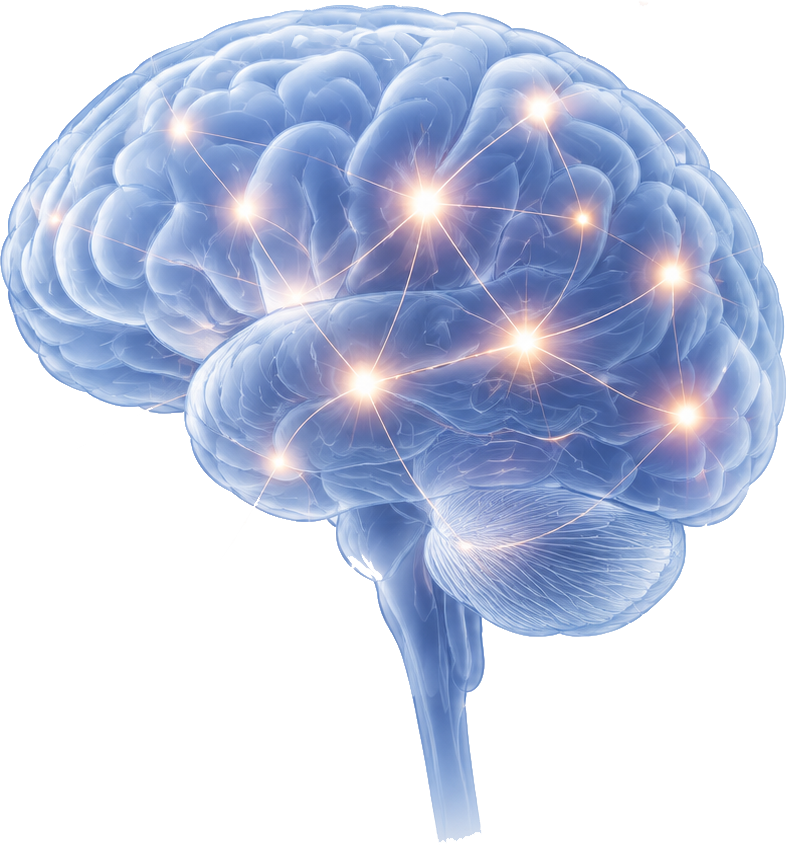
Traditional antidepressants primarily target seratonin. Ketamine works differently through the glutamate system. This process may help restore communication between brain cells that has been disrupted by chronic stress or depression.
- Works differently
- Fast-acting for many patients
- Backed by decades of clinical use.
The Breakthrough
In the early 2000's, Yale researchers identified low-dose IV ketamine as a rapid-acting option for depression.
What The Experiencefeels Like
Your infusion takes place in a calm, comfortable setting. The medication is delivered slowly while your vital signs are monitored.
Many people describe the experience as relaxing and introspective . Some feel light or floaty. Colors, music and thoughts may feel more vivid or dreamlike. The experience can be calm, reflective, or emotional.
After Your Infusion
15-20 minute recovery period. After your infusion, most people spend 15-20 minutes while the effects gradually wear off.
It's common to feel groggy or fatigued for a few hours. You'll need someone to drive you home.
Some people feel an immediate lift in mood, while for others, improvements build over several treatments.
Potential Applications
Ketamine can be used to help manage symptoms in a wide variety of situations — from depression to addiction. Learn more about the ways ketamine can help by viewing the applications below.
Up to 70%
of patients may experience meaningful improvement in depressive symptoms after one treatment.
- Clinical Studies
Ketamine for
PTSD
Ketamine may offer a different path forward for people living with PTSD, especially when traditional treatments haven’t provided enough relief.
Relief That May Begin Quickly
Ketamine may help reduce symptoms such as intrusive thoughts, hypervigilance, emotional distress, and sleep disruption more quickly than many traditional treatments.

Support Beyond the Symptoms
PTSD can affect relationships, daily life, and overall well-being. Treatment is designed to support greater stability, resilience, and quality of life.
Supporting Those Who Serve — and Anyone Who Needs Care
With such a strong military and first-responder community in Hampton Roads, we’re especially committed to supporting those who serve while welcoming anyone seeking help for PTSD.
You don’t have to navigate PTSD alone.
Care is provided in a calm, supportive setting with your comfort and safety at the center.
Need help right now?
If you are in crisis or having thoughts of suicide or self-harm, call or text 988 for immediate support, available 24 hours a day, 7 days a week. Veterans can call 988 and press 1.
Ketamine for
Suicidal Thoughts
Ketamine is being used in clinical settings for its potential to reduce suicidal thoughts more rapidly than many traditional treatments. It is not a substitute for emergency or crisis care.
Rapid Symptom Reduction
For some patients, ketamine may reduce suicidal thoughts and intense feelings of hopelessness within hours or days.
A Different Approach
Ketamine works through different pathways in the brain than traditional antidepressants, which may help interrupt persistent patterns of emotional distress.
Care Beyond the Infusion
Treatment is most effective as part of a broader care plan focused on safety, stability, and long-term well-being.
Ketamine treatment is not emergency care.
If you are in immediate crisis, contact 988 before seeking outpatient treatment.
Ketamine for
Chronic Pain
Chronic pain can affect far more than physical comfort—it can change sleep, mood, mobility, and everyday life. Ketamine offers a different, non-opioid approach for people who haven’t found enough relief through traditional treatments.
A Different Pathway for Pain
Ketamine works on NMDA receptors involved in pain transmission and sensitization, helping change how pain signals are processed by the nervous system.
Relief Without Opioid Pain Medication
Ketamine therapy provides a non-opioid treatment option that may help reduce pain without relying on addictive opioid medications as the treatment itself.
Supporting Daily Life
For some patients, reducing persistent pain can mean greater comfort, improved function, and more freedom to participate in everyday life.
Another Way Forward for Chronic Pain
Ketamine offers a non-opioid treatment option that may help reduce persistent pain by changing how pain signals are processed.
Ketamine for
Substance Use Disorders
Recovery is rarely about a single treatment. Ketamine is being explored as a supportive therapy that may help reduce cravings, improve mood, and make it easier to engage in the work of recovery.
Supporting New Patterns
Substance use can reinforce cravings and habitual behaviors. Ketamine’s effects on neuroplasticity may help support the development of new, healthier patterns.
Working Alongside Recovery Care
Ketamine is not a standalone cure. When combined with counseling, behavioral support, and other appropriate care, it may become part of a more comprehensive recovery plan.
Building Resilience for the Road Ahead
For some patients, ketamine may support emotional resilience, reduce urges, and improve engagement with long-term treatment and recovery.
Supporting the Work of Recovery
Ketamine may help create an opportunity for change by supporting neuroplasticity, mood, and reduced cravings—while counseling and ongoing recovery support help turn that opportunity into lasting progress.

Safety & Support
Your safety is our priority. Every treatment includes:
- Thorough medical and psychological evaluation
- Continuous monitoring during your evaluation
- Support from experienced, compassionate providers
Side effects resolve quickly. We are here at every step.
IV Nutrient Support
IV therapy helps hydrate your body and replenish essential nutrients – supporting energy, mood, and a more complete recovery.
It’s a simple way to support your body while you focus on healing your mind.
Latest Insights
Stay informed on the latest research, education, and stories on ketamine care and mental wellness.

Ketamine for major depression: New tool, new questions
Harvard Health explores ketamine’s promise as a fast-acting option for treatment-resistant depression.
The effects of ketamine on suicidality across various formulations and study settings
This review examines ketamine’s potential to rapidly reduce suicidal thoughts across clinical settings.
A Review of Nonanesthetic Uses of Ketamine
This medical review explores ketamine’s expanding role in treating depression, chronic pain, and other conditions.

How Ketamine Changed Our Understanding of Depression and Mental Health
This article explores how ketamine reshaped scientists’ understanding of depression and opened new paths for mental health treatment.
Need immediate support?
If you or someone you know is in crisis or considering self-harm, call or text 988 for the Suicide & Crisis Lifeline.
Help is available 24 hours a day, 7 days a week, free and confidential.
Veterans can call 988 and press 1, text 838255, or chat online with the Veterans Crisis Line.
Ready to take the next step?
We’re here to answer your questions and help you find the right step forward.